Mountain
Jabal Thawr and the Cave of Thawr
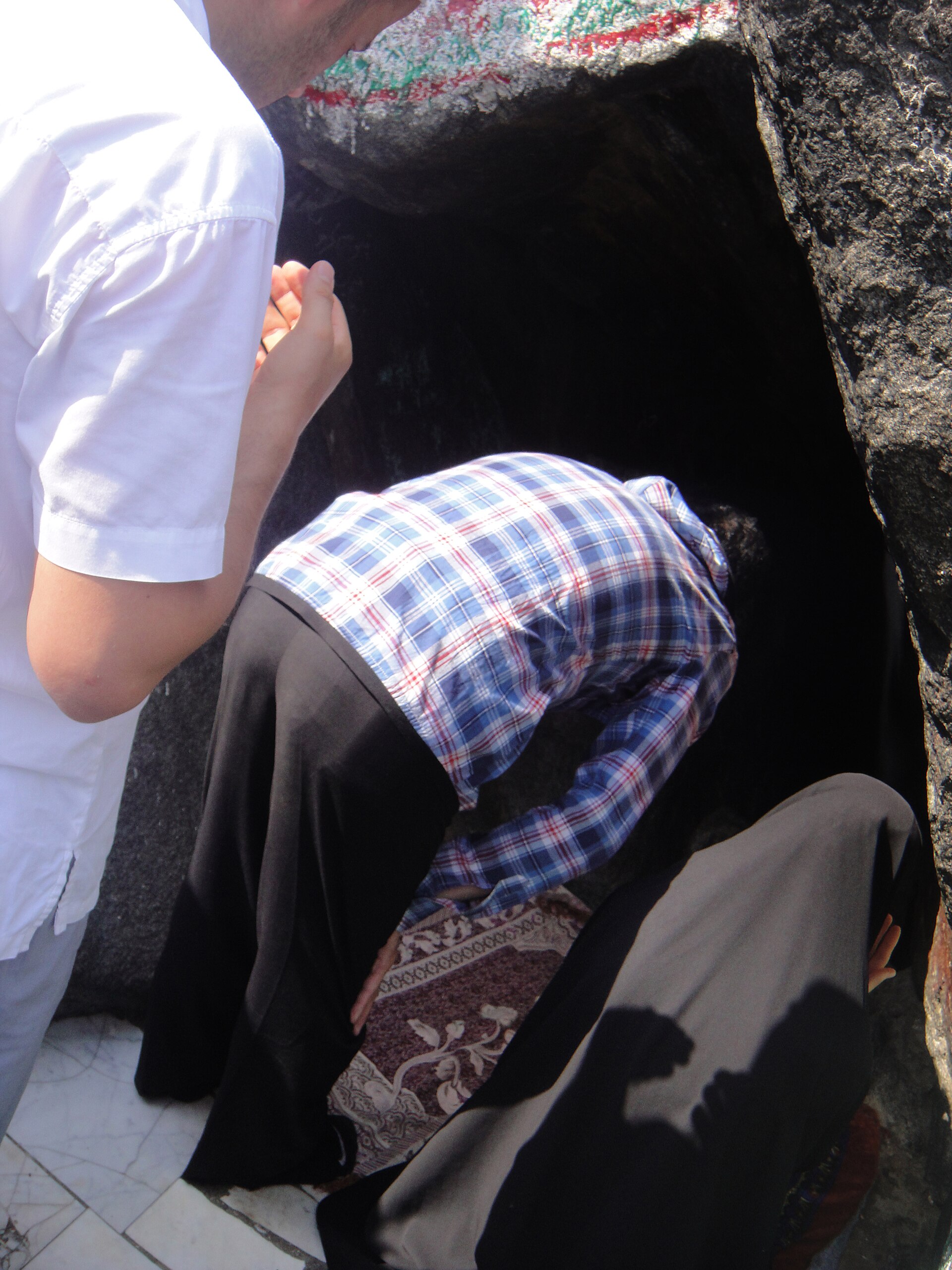
The cave where the Prophet ﷺ and Abu Bakr hid for three days before the Hijra journey to Madinah.
History
When leaving Makkah, the Prophet ﷺ and Abu Bakr hid for three nights in the cave on Mount Thawr to escape their pursuers (Ibn Hisham). The Quran describes it: "When they were in the cave, he said to his companion: Do not grieve, indeed Allah is with us" (9:40).
The cave is small and is one of the best-known sites of the Hijra. Later accounts of details such as a spider's web or doves are assessed differently by scholars and should be read with care.
Visiting tips
The climb is very steep and rocky, taking about 1 to 2 hours, with almost no shade or facilities. Avoid the hot hours, start early, and bring plenty of water, sturdy shoes and sun protection.
The risk is high for older people, those with heart or breathing problems, and anyone climbing alone. Check current access and safety rules locally.
Etiquette
Behave respectfully, do not damage the rocks and leave no litter. Visit calmly and with awareness of the historical meaning of the Hijra.
Rather than staying long inside the cave, recite the verses, make a short dua and make room for other visitors.
Timeline
1 AH / 622 CE (approx.)
The Hijra: three nights in the cave
During their migration to Madinah, the Prophet ﷺ and Abu Bakr stayed three nights in the Cave of Thawr. The year 622 is taken as the year of the Hijra; the exact day and month are not firmly established.
Location
Sources
- Quran 9:40
- Sahih al-Bukhari 3653
- Ibn Hisham, al-Sira al-Nabawiyya
- Ibn Kathir, Tafsir (commentary on 9:40)