Mountain
Mount Uhud (Jabal Uhud)
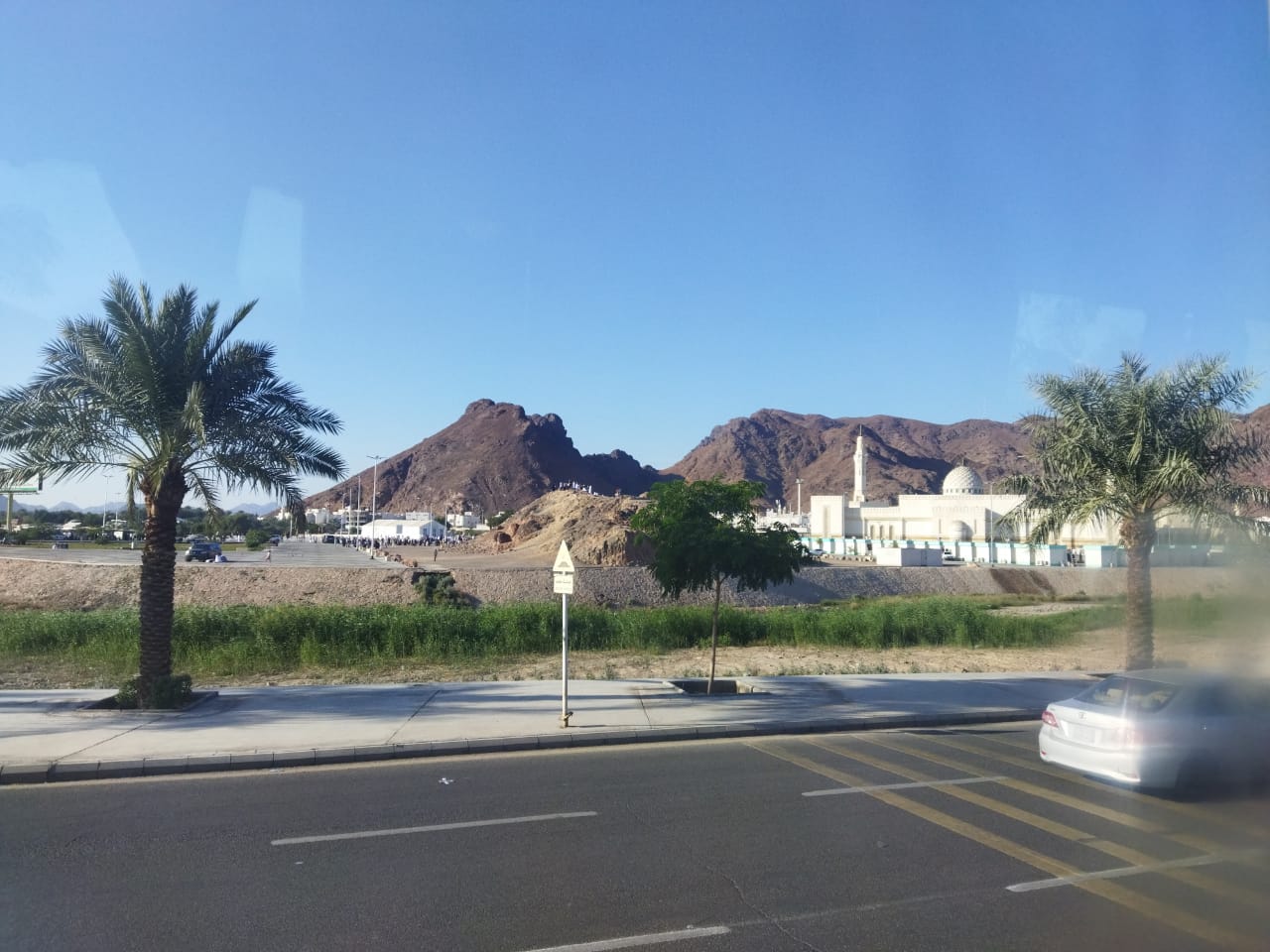
The mountain north of Madinah where the Battle of Uhud took place in 3 AH (625 CE). The Prophet ﷺ is reported to have said that Uhud is a mountain that loves us and that we love.
History
The Battle of Uhud took place in Shawwal 3 AH (625 CE). A Quraysh army marched towards Madinah to avenge their defeat at Badr. The Prophet ﷺ preferred to defend the city, but some younger Muslims wished to meet the enemy outside; the army took position at the foot of Uhud.
At first the Muslims gained the upper hand. When some archers left their position, the Muslims were encircled and suffered heavy losses, among them Hamza ibn Abd al-Muttalib. According to sira accounts, verses of Ali Imran (3:121–122 and around 3:152) were revealed in connection with this battle.
Some locations on and around the mountain are linked to traditions. The exact boundaries and the precise spots are not given in detail in the classical sources, so visitors should weigh the guide's explanations against the written sources.
Visiting tips
Mount Uhud is north of central Madinah and reached by a short taxi ride. The area around the mountain is arranged for walking and visiting; most visitors walk around the base rather than climbing.
In hot seasons come early in the morning, avoid long exposure to the sun and carry water. For elderly visitors the distance may be too long; a guided tour can be planned.
Etiquette
The main purpose of visiting Uhud is to pray for the martyrs and to reflect on the lessons of the battle. Be respectful towards the graves area; do not step on graves or speak loudly there.
Seeking blessing by touching the mountain or taking stones is not regarded as appropriate; many scholars consider such practices without basis.
Timeline
3 AH / 625 CE
Battle of Uhud
In Shawwal the Quraysh army marched on Madinah; the battle took place at the foot of Uhud, where Hamza was killed.
Location
Sources
- Quran 3:121-122
- Ibn Hisham, al-Sira al-Nabawiyya
- Ibn Sa'd, al-Tabaqat al-Kubra
- Sahih al-Bukhari 4083